
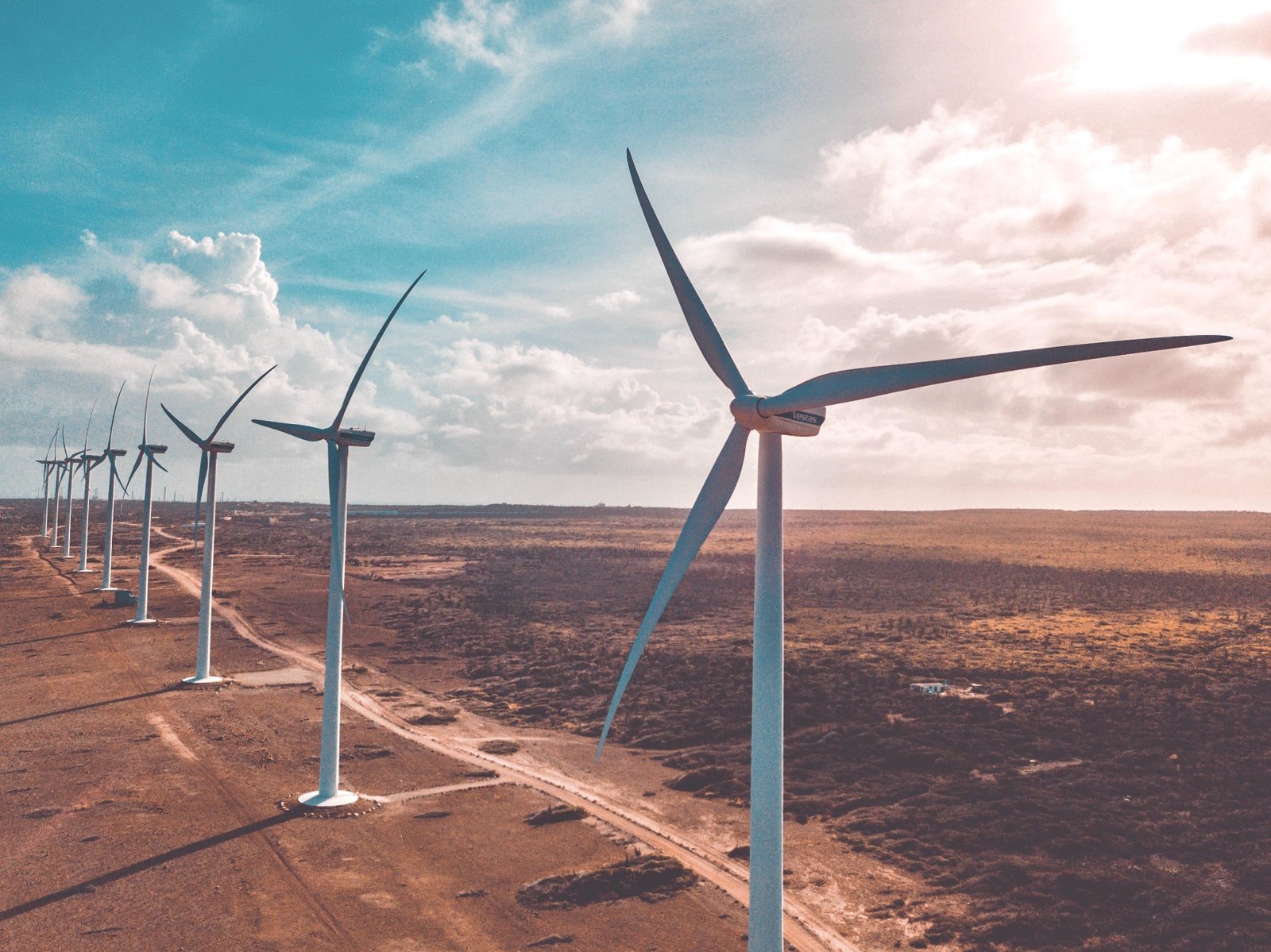
Wind farm
Why is it only now that we’re realizing Africa’s remarkable wind potential? Part of the answer lies in the turbines themselves. Advances in technology, combined with manufacturing economies of scale, mean that turbines are much better able to capture wind productively in sites where wind speeds would have been considered too low just five years ago.
Why is it only now that we’re realizing Africa’s remarkable wind potential? Part of the answer lies in the turbines themselves. Advances in technology, combined with manufacturing economies of scale, mean that turbines are much better able to capture wind productively in sites where wind speeds would have been considered too low just five years ago.
Another part of the answer lies in our ability to “see” pockets of good wind potential using high-resolution, cloud-computing based models. These models are able to estimate wind speeds in a 100 meter by 100 meter square area anywhere on the planet with a high degree of accuracy. This is a resolution nearly 1,000 times better than computer models were able to generate just five years ago.
One big surprise of our study was what the results revealed about the wide geographical distribution of wind potential. The study found pockets of potential in places that had rarely been talked about as having much, or any, wind potential. Those places include areas in Namibia, Botswana, Cote d’Ivoire, Cameroon, Mauritania, Madagascar and Tunisia. In many cases, the best wind resources are in areas close to demand centres, such as towns and cities. Moreover, in many of these areas the wind blows strongest in the early evening and early morning when electricity demand is highest. This makes wind a perfect complement to solar, which generates most of its power during the daytime