
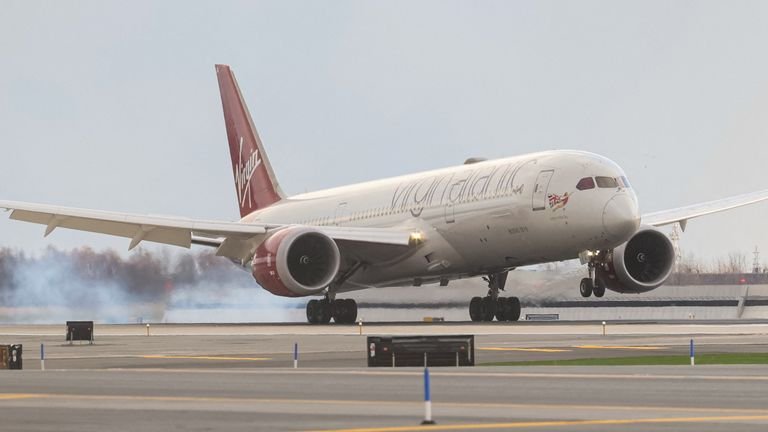
Sustainable Aviation Fuel
Price
$7,896.00
Impact
Quantity (tCO₂e)
65000.00
Standard
Region
Kenya
Stage
Type
Vintage
Plus
To comprehensively assess the co-benefits of climate change mitigation to children, we expanded the suite of adverse health outcomes in the U.S. Environmental Protection Agency’s Benefits Mapping and Analysis Program (BenMAP) to include additional outcomes associated with prenatal and childhood exposure to ambient fine particulate matter (
we used calculated changes in ambient
The estimated avoided cases of adverse child health outcomes included 537 asthma cases, 112 preterm births, 98 cases of ASD, and 56 cases of TLBW, with an associated avoided cost estimate ranging from $191 to $350 million. In a previous analysis of health benefits of RGGI, the only benefits accruing to children were limited to prevented cases of infant mortality and respiratory illnesses, with a monetized impact of $8.1 million—only 2–4% of the new results attributable to RGGI.